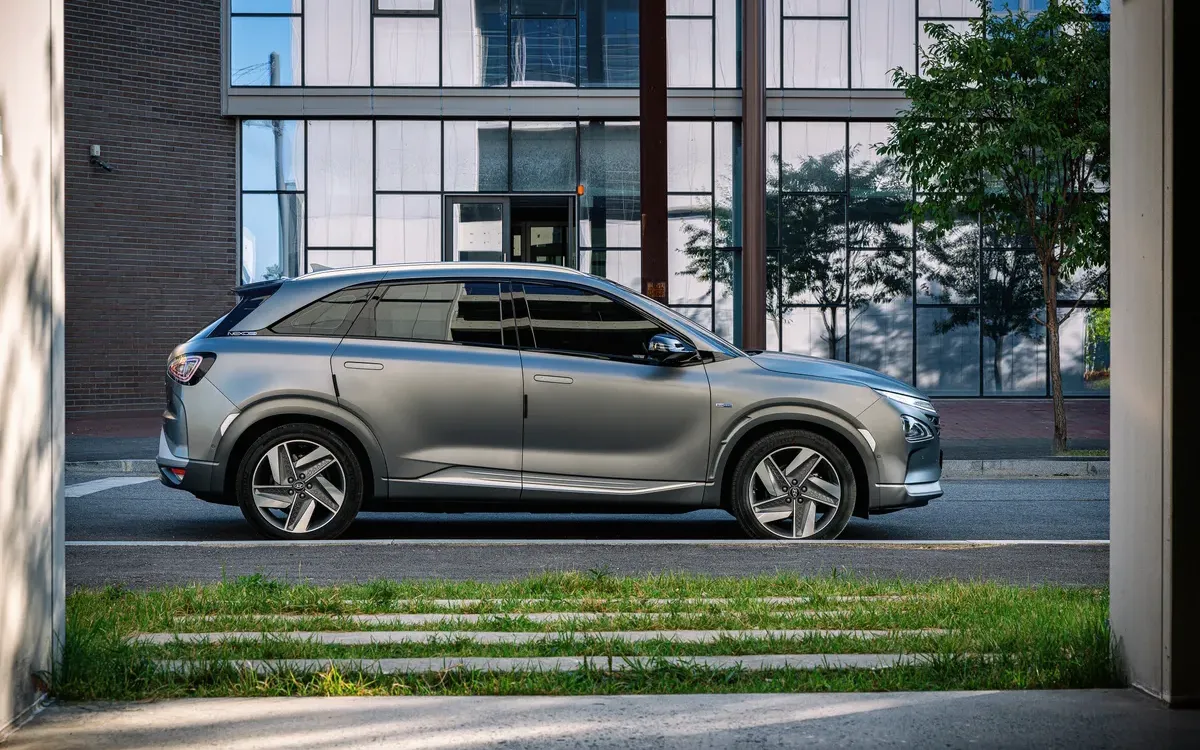
Vehicle finance is borrowing to buy a vehicle and repaying it over an agreed term. How the vehicle will be used, who will own it, its age and the amount involved shape the right structure, whether it is a family car or a ute bought through an ABN.
Common vehicle contexts
Car for personal use
Usually considered under consumer lending rules. Expect questions about income, living expenses and existing debts so a lender can assess whether repayments are suitable.
Ute or van for the business
Where a vehicle is used mainly for business, business-purpose products may be relevant. How the business is structured, and how long it has traded, tend to come up early.
4WD or towing vehicle
Often a mix of personal and work use. Being clear about that split helps, because it can affect which pathway is appropriate. Tax questions belong with your accountant.
Light or heavy truck
Commercial vehicles are often assessed with reference to the work they do, the operator's experience and the vehicle's age. Heavy vehicles may involve additional lender policy.
Commercial or fleet vehicles
Adding several vehicles at once is a business-planning question as much as a finance question. A conversation usually starts with the overall plan and timing.
Used or private sale
Lender policy on vehicle age, private sellers and inspection varies. Share the specific vehicle details where you can, rather than assuming either way.
What Jerome may ask
- What is the vehicle and roughly what will it cost?
- Price, age and type shape which lenders and structures may be relevant.
- Is it for personal use, business use or both?
- This is often the single biggest fork in the conversation.
- Who will own it: you, a company or a trust?
- The borrower and the owner need to line up.
- Do you have a deposit or trade-in?
- It changes the amount borrowed and how the arrangement is assessed.
Useful to have ready
- The vehicle details, or the type you are considering
- An approximate price, and any deposit or trade-in
- Whether the use is personal, business or mixed
- For business use: ABN and how long you have traded
Watch for
- Repayment versus total cost. A longer term can lower each repayment and raise the total paid. Ask for both numbers.
- Balloon payments. A lump sum at the end is still owed. Plan for how you would pay or refinance it.
- Dealer convenience. Arranging finance at the counter can be quick. Understanding options beforehand means you can compare calmly.
Understand what you're buying and why. The right questions about finance follow from there.
Questions
Is a ute treated as a car or as equipment?
It depends on how it is used and which lender is involved. Some treat a business ute as a motor vehicle, others look at it alongside business assets. Jerome can explain the options once he knows the details.
Can I enquire about a truck or several vehicles?
You can enquire. Each commercial or fleet arrangement is assessed case by case.
Related finance
- Machinery FinanceConstruction, agricultural and industrial machinery.
- Equipment FinanceTools, workshop and business equipment.
- Truck & Trailer FinanceTransport, logistics and commercial vehicles.
- Business FinanceWorking capital, expansion and business funding.
- Personal FinanceMajor purchases and personal funding needs.
Discuss your vehicle finance requirements.
Tell us what you are considering. We will talk you through the options for your situation. An enquiry is not a credit application.
Discuss your finance options
Your name, mobile, email and general finance purpose. No documents or credit history.